Usually, yes. Most homes with solar can add a battery. What changes is how. Sometimes your current inverter stays and the battery comes with its own. Sometimes replacing the inverter makes more sense. Your switchboard, your roof space and where the battery can safely go all play a part too.
Many of the batteries we install go onto homes that already have panels. This page explains what we check, the two common ways it is done, and the questions worth asking before you sign.
In this article you will learn:
- Whether adding a battery suits your home
- The two common ways a battery is added
- What we check on the site visit
- What the rebate rules say about existing solar
- When it is better to wait, or change something else first
First: will a battery help your home?
A battery stores solar you are not using during the day so you can use it later. So it only helps if you have spare solar during the day and real use after dark. If your system is small, or you already use most of your solar as it is made, a battery may sit half empty. Our article is a solar battery worth it shows you how to check this from your own bills.
Sometimes the better first step is more panels, not a battery. Sometimes it is both.
The two common ways to add a battery
1. Keep your inverter, add a battery with its own
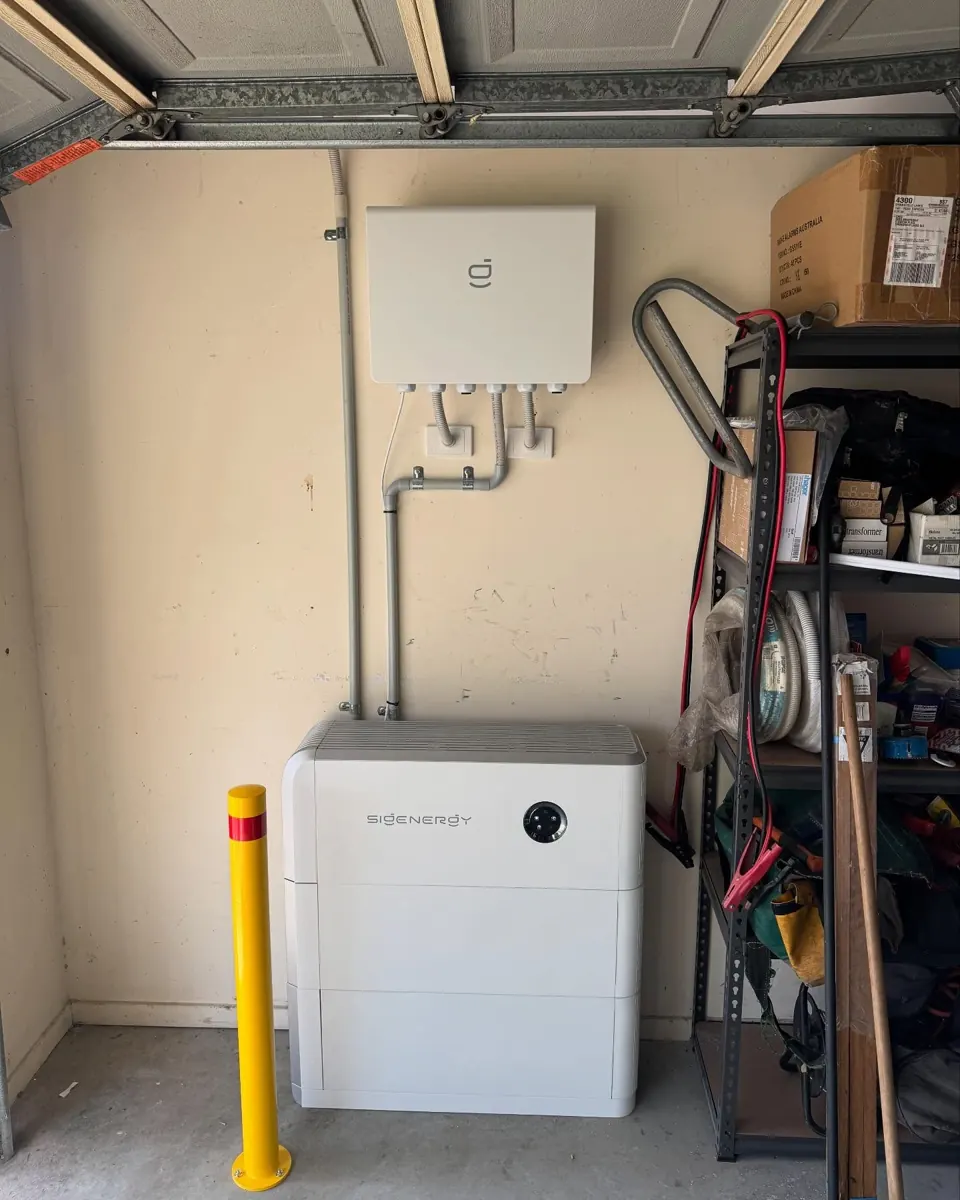
Your panels and current inverter keep working as they are. The battery is added with its own inverter, connected on the AC side of your switchboard. This often suits a newer system in good condition. It means less change to what is already on your roof and wall.
2. Replace the inverter with one that runs both
Your panels connect to a new hybrid inverter that runs the panels and the battery together. This often suits an older inverter near the end of its life, or a system that is being upgraded anyway. It can also give more choice in how backup is set up.
Neither is always better. It depends on the age and condition of your inverter, how your panels are wired, whether you want backup, and what your network allows. We explain the options for your home before you get a written quote.
What we check on the site visit
- Your inverter. Its age, condition and model, and whether it can work alongside a battery or should be replaced.
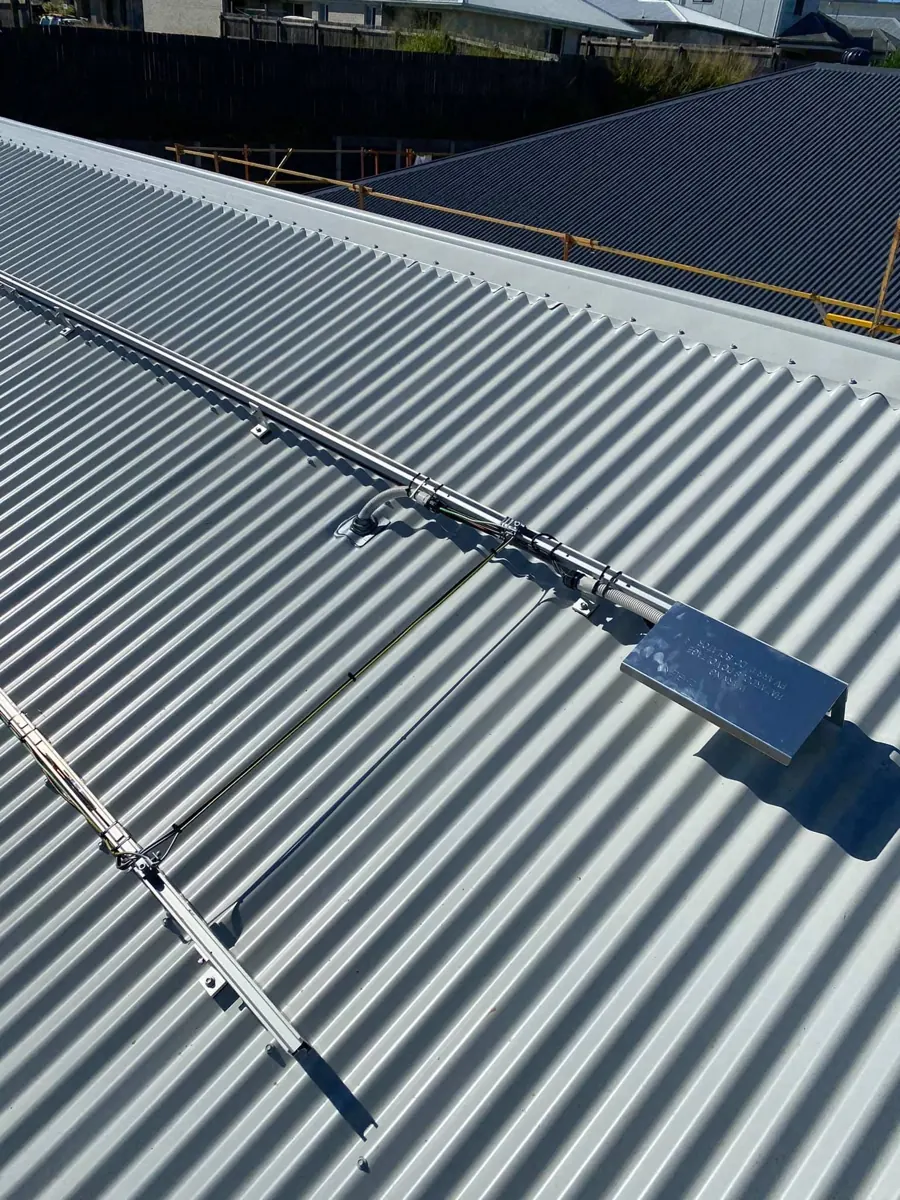
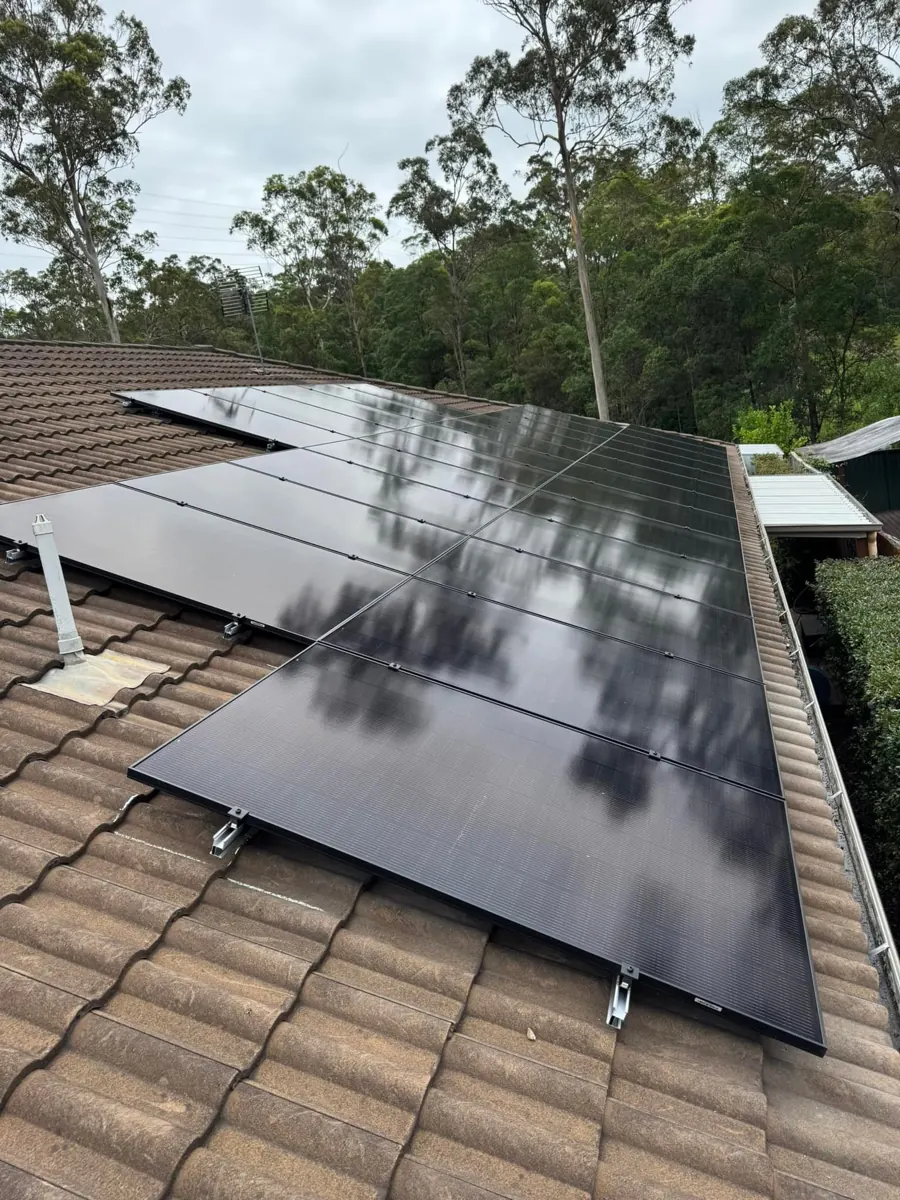
- Your panels and wiring. The condition of the panels, isolators and cabling on the roof. A battery is a reason to check the whole system, not just add to it.
- Your switchboard. Older switchboards often need work first. Every circuit that will run on battery backup gets its own modern safety switch. See do you need a switchboard upgrade.
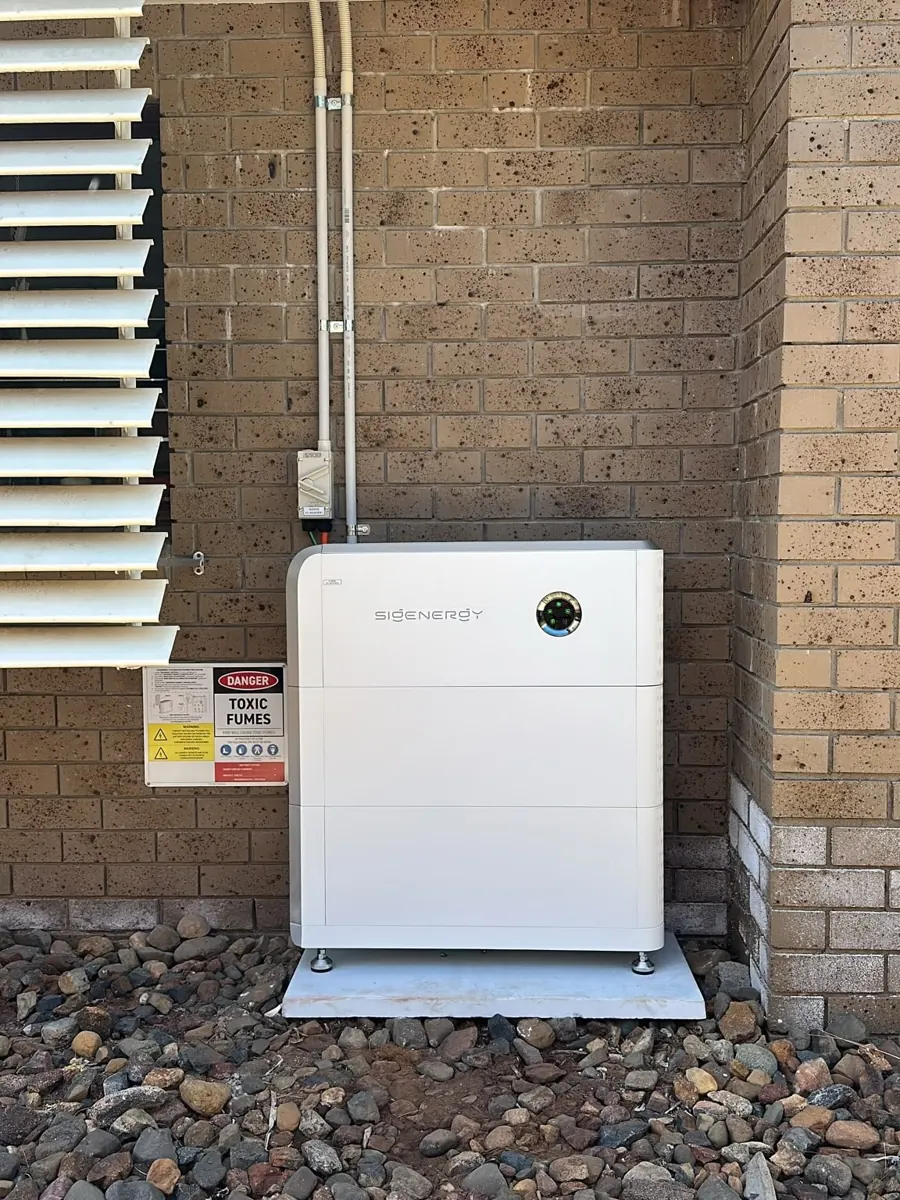
- Where the battery can go. It must meet the Australian battery standard. That means not in a bedroom or living area, clear of windows, doors and exits, and out of direct sun and weather. Usually that is the garage or a sheltered outside wall.
- Your power use. How much spare solar you have and how much you use at night, so the battery is sized to your home.
- Your connection. Single or three phase, and the export rules your network sets for your home.
We tell you about anything that needs fixing before we quote, not on install day.
What the rebate rules say
The federal battery discount can apply when you add a battery to existing solar. Your existing panels do not need to be on today's approved product lists, but they must meet the electrical safety rules. The new battery and its inverter must be on the approved lists, must be able to join a virtual power plant (you do not have to join one), and must be installed by an accredited installer with a battery endorsement.
Only one battery claim is allowed per home. If you think you will want more storage later, for an EV or a growing family, it is worth sizing for that now. Our rebates guide explains how the discount works and when it steps down. Eligibility is decided by the government, and the discount is shown on your quote.
Backup in a blackout
Adding a battery does not mean your home automatically stays on in a blackout. Backup has to be designed in. Ask which circuits will stay on, for about how long, and whether your panels can keep charging the battery while the grid is down. The answer can differ between the two ways of adding a battery. We explain it in what happens to your solar in a blackout.
When it is better to wait, or do something else first
- Your solar system is small and leaves little spare power to store
- You already use most of your solar during the day
- Your existing system has faults that should be fixed first
- There is no safe, compliant place for the battery without major work
- You plan to move soon
If that is you, we will say so. Sometimes a system check or a few more panels is the right first step.
Questions to ask before you sign
- Will my current inverter stay, or be replaced, and why?
- What did you find wrong with my existing system, if anything?
- Is any switchboard work included?
- Which circuits will work in a blackout, and will the panels recharge the battery while the grid is off?
- How much of my own solar did you assume the battery will store each day, in summer and in winter?
- Who installs it, and who looks after the old parts of the system afterwards?
Bottom line
Most homes with solar can add a battery. The right way depends on your inverter, your switchboard, where the battery can go and how you use power. A good installer checks the whole system first and tells you plainly what it needs.
We have installed more than 500 home batteries with our own team, many on homes that already had solar. To talk about yours, book a free consultation or call 0468 097 875. No pressure, no obligation.
FAQ: adding a battery to solar
Can I add a battery to my existing solar system?
Usually, yes. Either your current inverter stays and the battery has its own, or the inverter is replaced with one that runs both. We check which suits your system on the site visit.
Do I need a new inverter to add a battery?
Not always. It depends on the age, condition and model of your current inverter, and on whether you want backup.
Can I get the battery rebate if my solar is old?
Yes, if the battery and installation meet the rules. Your existing panels do not need to be on today's approved list, but they must meet the electrical safety rules. Only one battery claim is allowed per home.
Where will the battery go?
Somewhere that meets the Australian battery standard: usually the garage or a sheltered outside wall, never a bedroom or living area, and clear of windows, doors and exits.