If you are building in one of South East Queensland's growth areas, there is a good chance your builder has offered solar as part of the package. Sometimes it is included in the price. Sometimes it is an upgrade on the inclusions list.
That system is not necessarily bad. But it is usually chosen to meet the building rules at the lowest cost, not to suit how your family will live in the house. The good news is that a few decisions made during the build can save you a lot of money and mess later. Most of them cost very little if you ask early.
In this article you will learn:
- Why builders include solar in the first place
- What builder-package solar usually leaves out
- The cheap things to ask for before the plaster goes up
- Where a future battery should go
- Whether to take the builder's system or install your own after handover
Why your builder is including solar
The energy-efficiency rules for new homes have tightened. In Queensland, new homes now need to meet the 7-star standard and a whole-of-home energy budget in the National Construction Code. In NSW, new homes go through BASIX. A small solar system is often the cheapest way for a builder to get the design over the line.
That is the key point. The system is sized to pass a rule, not to cover your power use. For a family with air conditioning, a pool or an electric car, it is often well short.
What builder-package solar often leaves out
- Sizing for your usage. The system is usually the minimum that meets the requirement.
- Room to grow. The inverter may not have capacity for more panels, and it may not work with a battery later.
- Product detail. The inclusions list may say "solar system" with no brand, model or warranty information. Ask for it in writing.
- A clear warranty path. The solar is installed by the builder's subcontractor. Find out who you call if something goes wrong after handover, and whether they will still be around.
The cheap things to ask for during the build
These are small jobs while the walls are open. They are bigger, messier and more expensive once the house is finished.
1. Decide on single-phase or three-phase power
Larger solar systems, bigger batteries, EV chargers and some ducted air conditioners can all be easier on three-phase power. Whether you need it depends on your plans, so it is worth a conversation. It is much simpler to arrange before the home is connected than to change later.
2. Get a switchboard with spare room
Ask for spare space in the switchboard for future solar, battery and EV circuits. A crowded new switchboard is one of the most common reasons a "simple" battery install later needs extra work.
3. Run conduit while you can
Ask your electrician to run empty conduit from the switchboard to the roof space, and from the switchboard to where a battery and an EV charger would go. An empty pipe in the wall now saves cutting into finished walls later.
4. Pick the battery spot now
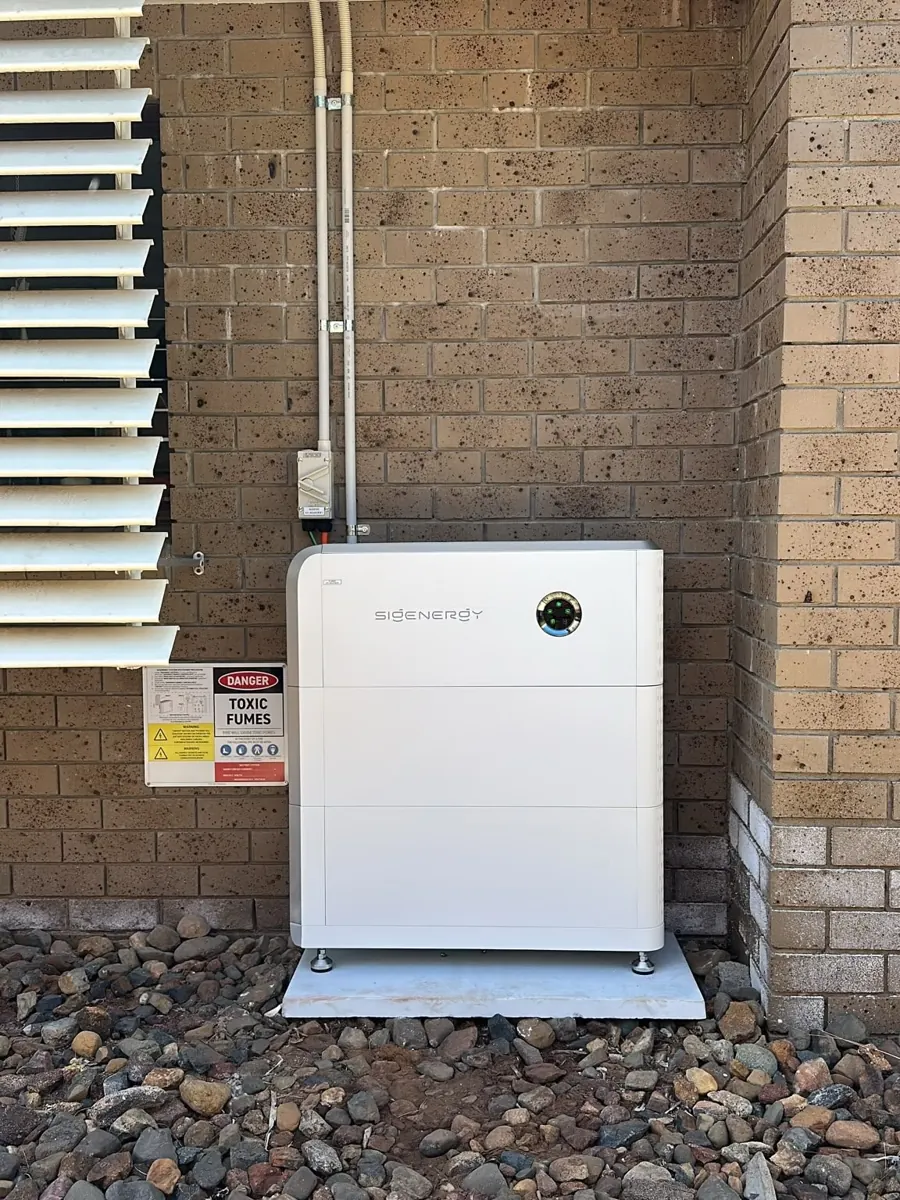
Batteries have clear rules about where they can go. Not in bedrooms or living areas, not under stairs, not in the ceiling space, and not near exits. A garage wall or an outside wall away from direct afternoon sun is common. In a garage, plan for protection from the car. Agree the spot with your builder and keep that wall clear.
5. Keep the north and west roof clear
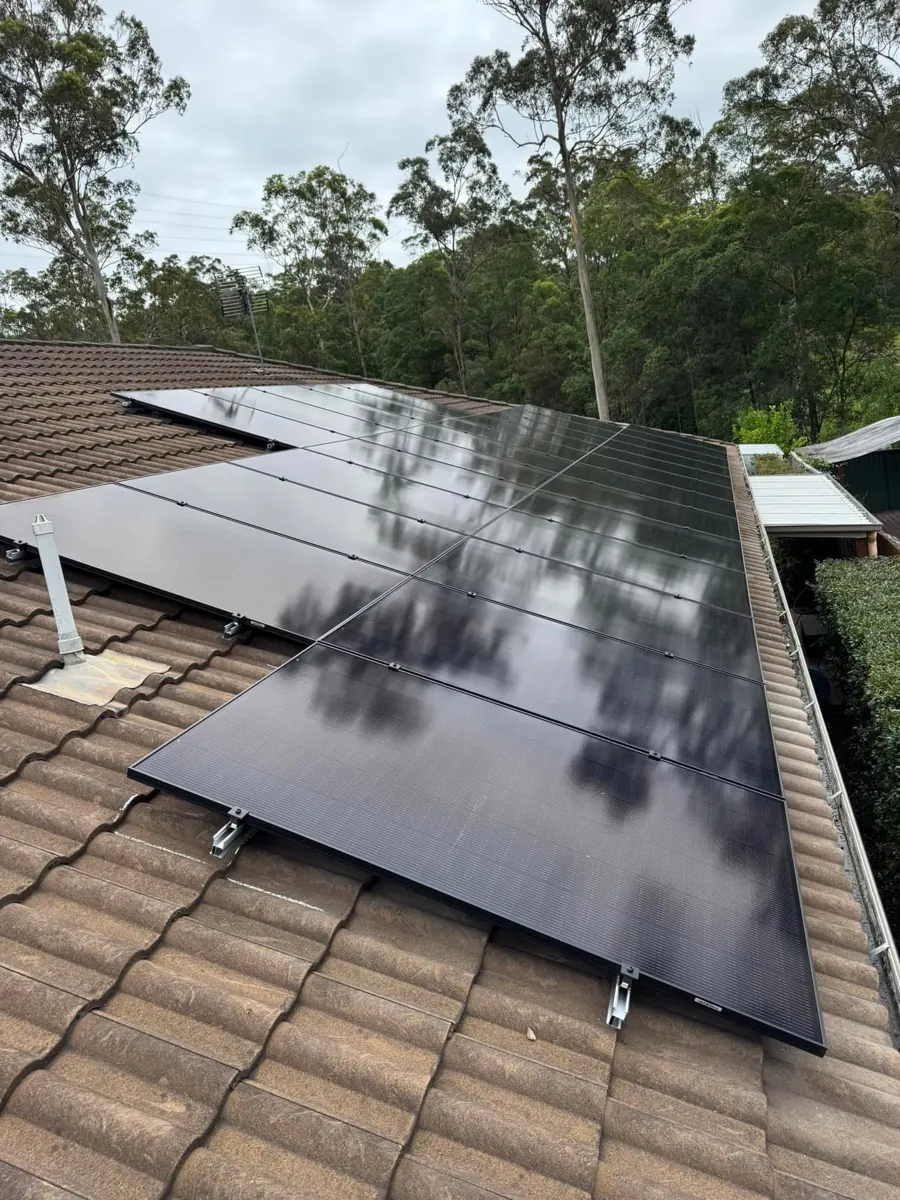
Vents, flues, skylights and antennas tend to end up wherever is convenient for the trades. Ask for them to go on the south or east faces where possible, so the sunniest roof stays free for panels.
6. Think about roof shape and material
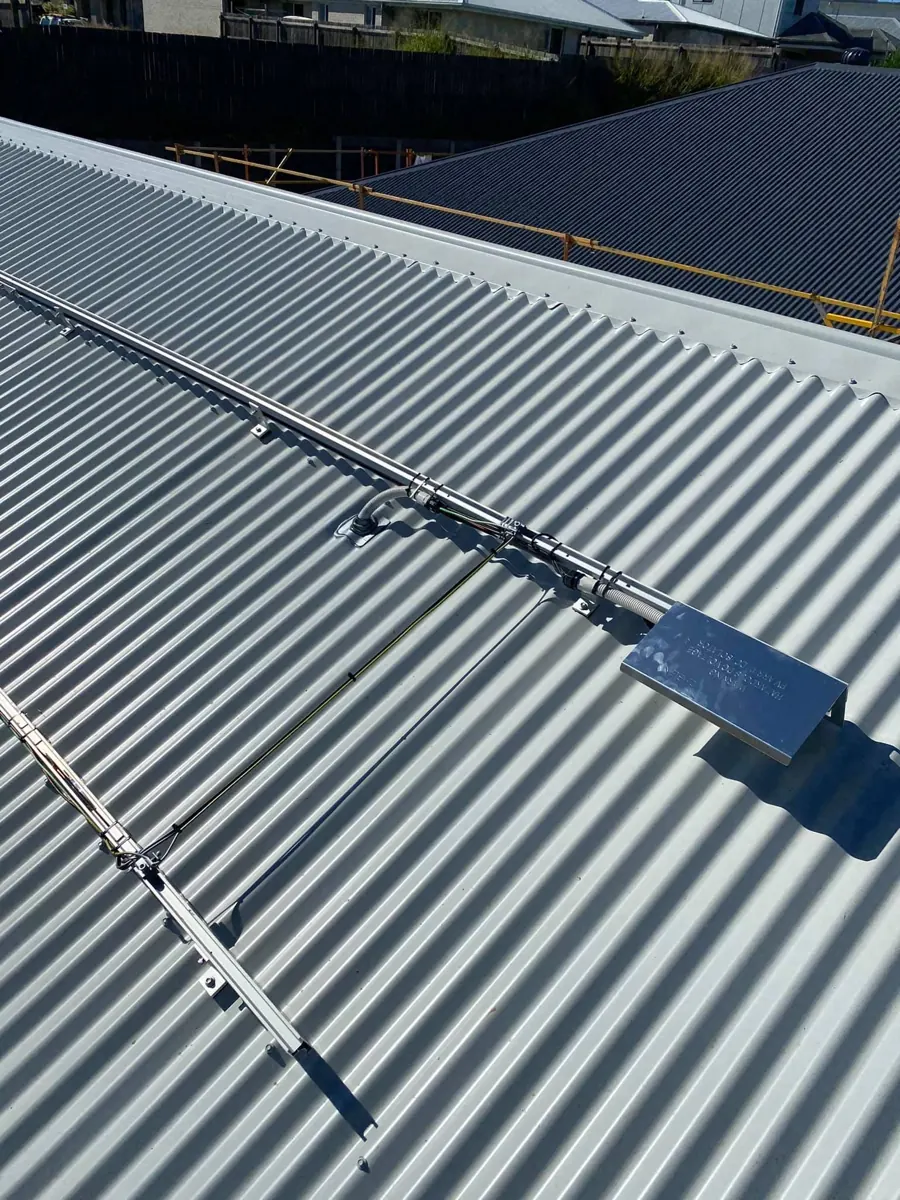
Large, simple roof planes take panels more easily than lots of small hips and valleys. Metal roofs are generally simpler to install on than tiles. If you are still choosing, it is worth considering.
Take the builder's system, or install your own after handover?
There is no single right answer. Some honest guidance:
- If the builder's system is required for compliance, you may not be able to remove it. Ask what the requirement is and whether you can upgrade it instead.
- If it is an optional upgrade, compare it against a quote designed around your usage. Check panel and inverter detail, battery compatibility and who holds the warranty.
- If you plan a battery soon, make sure whatever goes on the roof works with it. Replacing an inverter a year after handover is money wasted.
Either way, the conduit, switchboard space and battery location are worth sorting during the build. They help whichever way you go.
Bottom line
Builder-package solar is there to meet a rule. It may be a reasonable start, but it is rarely designed around your family. A few cheap decisions during the build make a proper system, a battery or an EV charger far easier later. Ask early, get it in writing, and keep the sunny roof clear.
If you are building on the Gold Coast, in Brisbane, on the Sunshine Coast or in Northern NSW and want a second opinion on the plans, we are happy to help. Book a free consultation or call 0468 097 875. No pressure, no obligation.
FAQ: solar on a new build
Do new homes in Queensland have to have solar?
Not specifically. New homes have to meet energy-efficiency rules, and solar is often the cheapest way for a builder to meet them.
Can I upgrade the builder's solar system?
Often, yes. Ask the builder what is required for compliance and whether a larger system or different inverter can be swapped in.
Should I get three-phase power on a new build?
It depends on your plans for solar, batteries, EV charging and air conditioning. It is much easier to decide before connection than to change afterwards.
Where should a battery go in a new home?
Usually a garage wall or a shaded outside wall, away from bedrooms, living areas and exits. Plan the spot during the build.