Solar and battery warranties look generous on paper. Long manufacturer warranties on panels, inverters and batteries, plus a workmanship warranty from the installer. Then something goes wrong, a claim goes in, and the answer comes back no.
We get calls from homeowners in that spot, often for systems we did not install. In most cases the reason was avoidable. This article covers the common reasons claims are knocked back and what you can do now to avoid them.
In this article you will learn:
- The three different warranties on a solar or battery system
- The most common reasons claims are rejected
- What you can do now to protect your warranty
- What to do if your installer has gone out of business
The three warranties on your system
Manufacturer warranties cover the panels, inverter and battery against faults and, for panels and batteries, against losing too much performance over time. They come with conditions.
The workmanship warranty comes from the installer. It covers the installation itself: mounting, cabling, roof penetrations and switchboard work. Ours is 10 years.
Australian Consumer Law gives you rights against the business that sold you the system. If a product is faulty, your claim under consumer law is with the seller, not the manufacturer.
Knowing which one applies to your problem is the first step. A leaking roof penetration is workmanship. A dead inverter is usually the manufacturer. A system that never did what you were sold may be consumer law.
The common reasons claims get rejected
1. The installer is no longer around
This is the big one. The workmanship warranty is only as good as the company behind it. When an installer winds up, that warranty usually goes with it. Manufacturers often still honour their product warranty, but many expect the claim to be lodged through an installer, and someone still has to diagnose the fault, remove the old part and fit the new one. That labour is often not covered.
2. The installation did not meet the manufacturer's requirements
Every manufacturer publishes installation requirements. Panels clamped in the wrong place, an inverter in direct sun, a battery outside its temperature range or clearances. If an inspection finds the product was not installed to the manual, the claim can be rejected, even though the homeowner did nothing wrong.
3. The product was not suited to the location
Close to the coast, salt spray corrodes equipment that is not rated for it. Some products are not approved for installation within a certain distance of the ocean. If corrosion causes the fault and the product was not suited to the site, expect a difficult claim. Our article on salt air, wind and your roof goes into this.
4. The battery was not connected to the internet
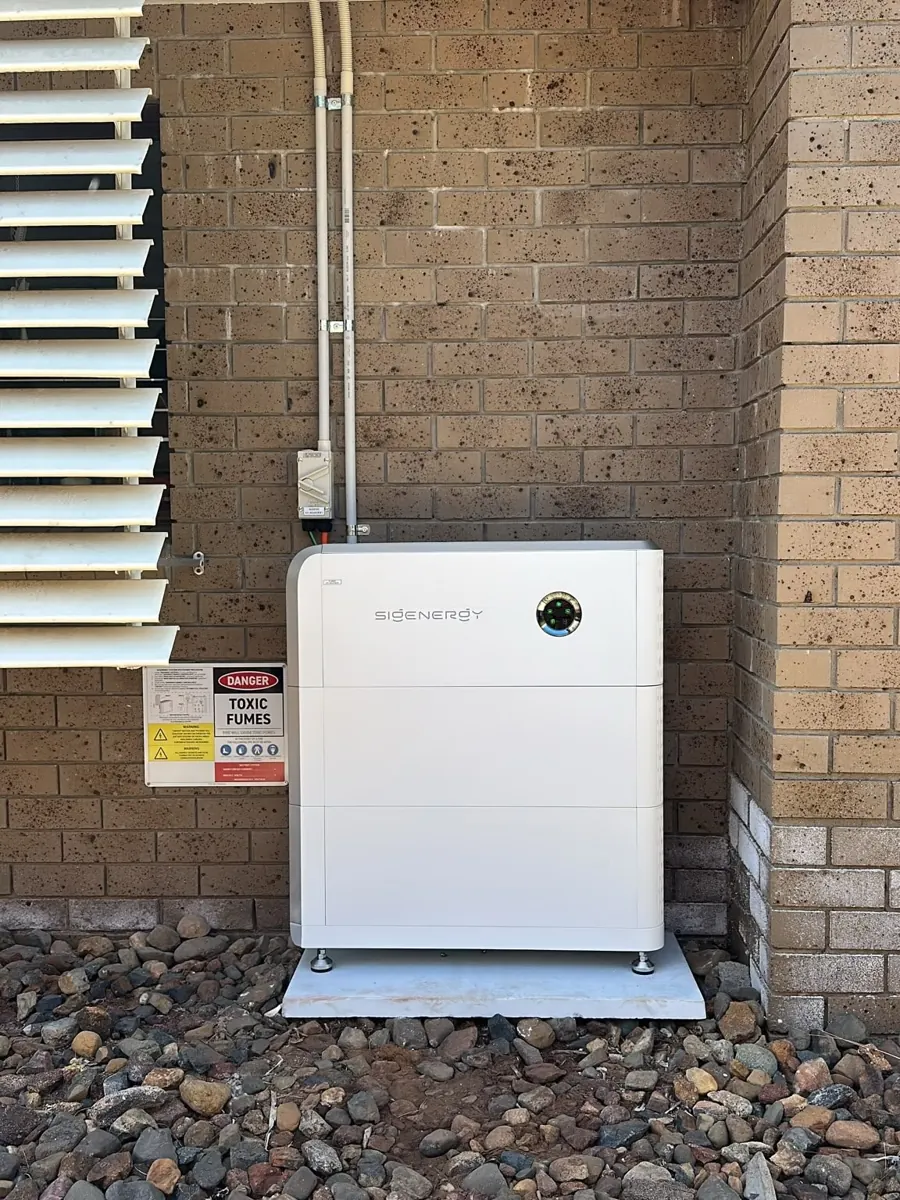
Some battery warranties require the system to stay connected to the internet, so the manufacturer can monitor it and push updates. If the Wi-Fi password changes and nobody reconnects it, the battery may spend months offline. That can affect the warranty. Check the conditions on yours.
5. The product was never registered
Some manufacturers ask for the product to be registered after installation. It is a small job that often gets missed.
6. Someone else worked on the system
If another party has modified, moved or repaired the system, the original installer may decline a workmanship claim, and the manufacturer may ask questions too. Keep a record of who has worked on it and why.
7. Damage that is not a fault
Storm, hail, lightning, falling branches, pests and nesting birds are generally not warranty issues. Storm and impact damage is usually a home insurance matter. Rats chewing through cables or birds nesting under panels is a maintenance issue. It is worth checking your home insurance covers your solar and battery.
8. Cleaning or maintenance that caused damage
High-pressure water, harsh chemicals or abrasive brushes can damage panel coatings and seals. Follow the manufacturer's cleaning advice, or leave it to the rain.
9. Performance claims without proper evidence
Panel performance warranties promise a minimum output over time, but proving a panel has degraded needs proper testing. "My bill went up" is not evidence, as bills change with tariffs and usage. Monitoring data over time helps a lot.
What you can do now
- Keep your paperwork in one place: the contract, invoice, Certificate of Compliance, product serial numbers and warranty documents.
- Check your products are registered where the manufacturer asks for it.
- Keep the battery and inverter online. If you change your Wi-Fi, reconnect them.
- Look at your monitoring app now and then. A sudden drop is easier to claim on when you notice it early.
- Use a licensed electrician for any changes, and keep a record.
- Check your home insurance covers your solar and battery for storm damage.
- Choose an installer you expect to still be here. This one matters most, and you can only do it before you sign.
If your installer has gone out of business
Do not assume you have no options. Contact the manufacturer directly with your serial numbers and proof of purchase. Many will work with another installer to assess and replace a faulty product. A new installer will usually charge for their time to diagnose and do the work, so ask for that cost up front.
If your system was not installed by us, we are still happy to have a look. We will tell you honestly whether it is likely to be a warranty matter, a maintenance issue or something else.
Bottom line
Most rejected warranty claims come down to who installed the system, how it was installed and how it has been looked after. You cannot control all of it, but you can keep your records in order, keep the system online, and choose a company with a long history and a local office before you sign.
Questions about your system, or about a new one? Start with a free, no-obligation chat. Book a free consultation or call 0468 097 875.
FAQ: solar and battery warranties
Who do I contact if my solar inverter stops working?
Start with the company that installed it. If they are no longer trading, contact the manufacturer with your serial number and proof of purchase.
Is storm damage covered by my solar warranty?
Generally no. Storm, hail and impact damage is usually a home insurance matter. Check your policy.
Does a workmanship warranty transfer if I sell my house?
It depends on the installer's terms. Ask, and pass the paperwork on to the buyer.
How long is the Green Coast workmanship warranty?
10 years, on top of the manufacturer warranties on the products.